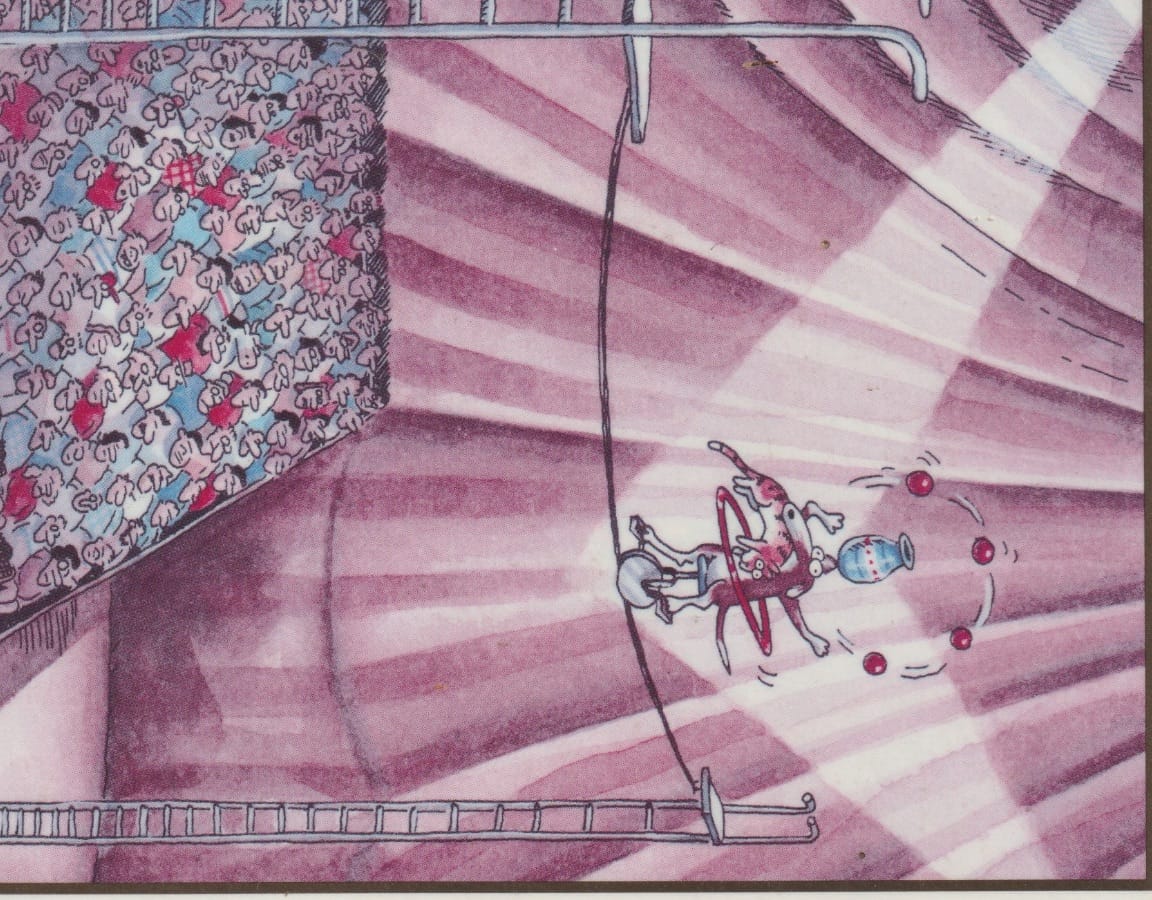
Confidence in performance develops through careful preparation and experience over time.
Confidence is not fixed – it grows through repeated experience and thoughtful preparation. Creating opportunities for students to perform in informal settings helps reduce uncertainty and builds familiarity.
Focusing on communication rather than perfection allows students to engage more openly with the music. Practical approaches such as slow practice and mental rehearsal support a sense of control and reliability.
With time, this leads to a quieter, more grounded confidence in performance.
1. Create regular, low-pressure performance opportunities
Confidence develops through experience, not avoidance. Providing frequent opportunities to perform in informal settings—studio classes, small gatherings or playing for family and peers—helps students become more familiar with the experience of being heard.
These situations reduce the sense of the unknown and allow performance to become a normal part of learning, rather than a rare and intimidating event.
2. Shift the focus from perfection to communication
A preoccupation with getting everything “right” can often inhibit musical expression. Encouraging students to think in terms of communication—what they are expressing and how it reaches the listener—helps move attention away from fear of mistakes.
When the focus shifts to meaning, phrasing and character, students tend to play with greater freedom and engagement.
3. Build reliability through thoughtful practice
A sense of confidence is closely linked to a sense of preparation. Slow, attentive practice allows students to understand both the physical and musical demands of their repertoire.
Breaking music into manageable sections, working carefully on coordination, and revisiting challenging passages builds a foundation of reliability. Over time, this reduces uncertainty and supports a more settled performance.
4. Introduce mental rehearsal
Mental rehearsal is a valuable but often overlooked tool. Encouraging students to imagine the act of performing—hearing the music internally, visualising the physical movements, and experiencing the flow of the piece—can strengthen both memory and focus.
This kind of preparation supports continuity and helps students feel more familiar with the experience before they step onto the stage.
5. Develop ease in the body
Physical tension can undermine even the most well-prepared performance. Bringing awareness to posture, balance and freedom of movement helps students play with greater ease and efficiency.
Simple work on breathing, alignment and release of unnecessary tension can have a significant effect, allowing the body to support rather than hinder musical expression.
In summary
Confidence in young performers does not come from a single breakthrough moment, but from a gradual process of preparation, experience and reflection.
With consistent opportunities to perform, a focus on communication, and thoughtful approaches to both practice and physical awareness, students begin to develop a more stable and lasting sense of confidence—one that supports them not only in performance, but in their broader musical development.